
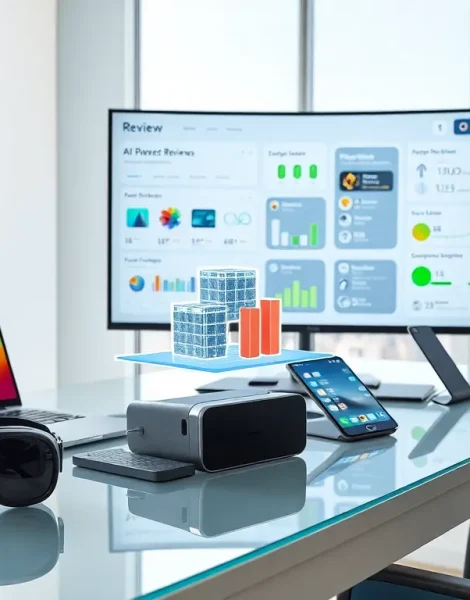
Tech reviews trends 2026 will reshape how consumers research and purchase products. The industry is shifting fast. AI tools now analyze thousands of reviews in seconds. Virtual reality lets shoppers test gadgets before buying. Sustainability scores matter more than ever. And short-form video content drives purchase decisions at record rates.
These changes aren’t gradual, they’re happening now. By 2026, the tech reviews landscape will look dramatically different from what readers see today. This article breaks down the four biggest trends shaping tech reviews in 2026 and explains what they mean for both consumers and content creators.
Table of Contents
ToggleKey Takeaways
- Tech reviews trends 2026 will be dominated by AI-powered tools that personalize product recommendations based on individual user preferences.
- Virtual and augmented reality are transforming product evaluation, allowing consumers to test gadgets virtually before purchasing.
- Sustainability scores—including repairability, energy efficiency, and ethical sourcing—are becoming standard criteria in tech reviews.
- Short-form video content under 60 seconds now drives more purchase decisions than traditional long-form written reviews.
- Independent creators on platforms like TikTok and YouTube Shorts are competing directly with established tech publications for audience attention.
- The most successful tech review sites in 2026 will combine human expertise with AI efficiency to deliver trusted, personalized content.
AI-Powered Review Analysis and Personalization
Artificial intelligence is transforming how people consume tech reviews in 2026. Instead of reading dozens of articles, consumers can now get AI-generated summaries that pull insights from hundreds of sources.
These AI systems do more than summarize. They personalize recommendations based on individual user preferences. Someone who values battery life sees different highlighted features than someone who prioritizes camera quality. The tech reviews trends 2026 show this personalization becoming standard across major platforms.
How AI Review Tools Work
AI review aggregators scan product reviews from multiple websites, forums, and social media platforms. They identify common praise points and recurring complaints. The system then weights this information based on source credibility and recency.
For example, a user searching for laptop reviews might receive a personalized breakdown showing:
- Performance benchmarks relevant to their stated use case
- Price comparisons from verified retailers
- Durability insights from long-term user feedback
- Compatibility notes for their existing devices
The Impact on Traditional Review Sites
Traditional tech review websites are adapting quickly. Many now integrate AI assistants that help readers find specific information within longer articles. Others offer interactive comparison tools powered by machine learning.
The tech reviews trends 2026 suggest that sites combining human expertise with AI efficiency will thrive. Pure AI-generated content lacks the hands-on testing that readers trust. But AI-enhanced human reviews offer the best of both approaches.
Consumers benefit from faster research. They spend less time scrolling through generic content and more time evaluating products that actually match their needs.
The Rise of Immersive Product Testing
Virtual and augmented reality are changing product evaluation in 2026. Consumers no longer rely solely on photos and spec sheets. They can now experience products virtually before making purchases.
Major electronics retailers have launched VR showrooms. Shoppers put on a headset and interact with 3D models of phones, laptops, and smart home devices. They can examine ports, test button placement, and compare sizes against their current devices.
AR Try-Before-You-Buy Experiences
Augmented reality apps let users place virtual products in their actual spaces. Want to see how a new monitor looks on your desk? Point your phone camera, and AR renders a life-sized model right there.
The tech reviews trends 2026 show AR integration becoming common in review content. Writers embed AR links directly in their articles. Readers tap a button and see the reviewed product appear in their environment.
This changes how reviewers create content. Static photos don’t compete with interactive 3D models. Review teams now include AR designers who create detailed product renders.
Haptic Feedback and Sensory Reviews
Advanced haptic devices add touch sensations to virtual product testing. Users feel the click of a keyboard or the weight distribution of a smartphone. These sensory experiences give consumers information that text descriptions can’t convey.
The tech reviews trends 2026 indicate growing consumer demand for immersive evaluation tools. Early adopters report higher confidence in purchase decisions after using VR and AR testing features. Retailers see lower return rates from customers who tried products virtually first.
Sustainability and Ethical Tech Evaluations
Environmental impact now factors heavily into tech reviews. The tech reviews trends 2026 reflect growing consumer concern about electronic waste, carbon footprints, and ethical manufacturing.
Reviewers increasingly include sustainability scores alongside traditional performance metrics. These scores evaluate repairability, recycled material content, energy efficiency, and end-of-life recyclability.
New Rating Categories
Major review platforms have added dedicated sustainability sections. Common evaluation criteria include:
- Repairability Index: How easily can users replace batteries or screens?
- Material Sourcing: Does the manufacturer use conflict-free minerals and recycled components?
- Energy Consumption: How does standby power compare to competitors?
- Packaging Waste: Is packaging recyclable or minimal?
- Company Practices: What are the manufacturer’s carbon reduction commitments?
The tech reviews trends 2026 show these factors influencing purchase decisions as much as price or performance for certain consumer segments.
Third-Party Certification Integration
Review sites now display certifications from environmental organizations directly in their ratings. EPEAT, Energy Star, and B Corp status appear alongside traditional scores. This gives readers quick reference points without requiring extensive research.
Manufacturers respond by improving transparency. Many now publish detailed sustainability reports and supply chain audits. Products with strong environmental credentials receive prominent coverage in tech reviews.
Consumers use this information to align purchases with their values. A slightly slower phone with excellent repairability might beat a faster competitor with a glued-shut case.
Short-Form Video Reviews Dominate Consumer Decisions
Video content under 60 seconds now drives more purchase decisions than long-form written reviews. The tech reviews trends 2026 confirm what analytics have suggested for years: attention spans favor quick, visual content.
Platforms like TikTok, YouTube Shorts, and Instagram Reels host millions of tech review videos. Creators condense product evaluations into punchy clips that highlight key features and dealbreakers.
Why Short-Form Works
Short videos deliver instant gratification. Viewers see products in action within seconds. They watch real hands hold devices, demonstrate features, and reveal potential issues.
The format forces creators to prioritize. Every second counts. Filler content gets cut. Only the most important information survives.
The tech reviews trends 2026 show engagement rates for short-form content exceeding traditional formats by 3-4x on average. Comments sections buzz with questions and additional insights from other users.
The Creator Economy Effect
Independent creators now compete directly with established tech publications. A single viral video can reach more viewers than months of website traffic. This democratizes tech reviewing.
Small creators often provide perspectives that mainstream outlets miss. Niche use cases, accessibility considerations, and budget-focused evaluations find audiences through short-form platforms.
Brands adapt their marketing strategies accordingly. Many send review units to micro-influencers rather than major publications. The tech reviews trends 2026 indicate this shift will accelerate as short-form platforms continue growing.
Balancing Depth and Brevity
The best creators use short videos as entry points. They hook viewers with quick takes, then direct interested audiences to longer content. This funnel approach satisfies both casual browsers and serious researchers.


